Planning · Guide
How to Prepare Your Business for a Video Production Day
A simple production-day checklist for Vancouver businesses covering people, locations, interviews, clothing, schedules, permissions, and approvals.
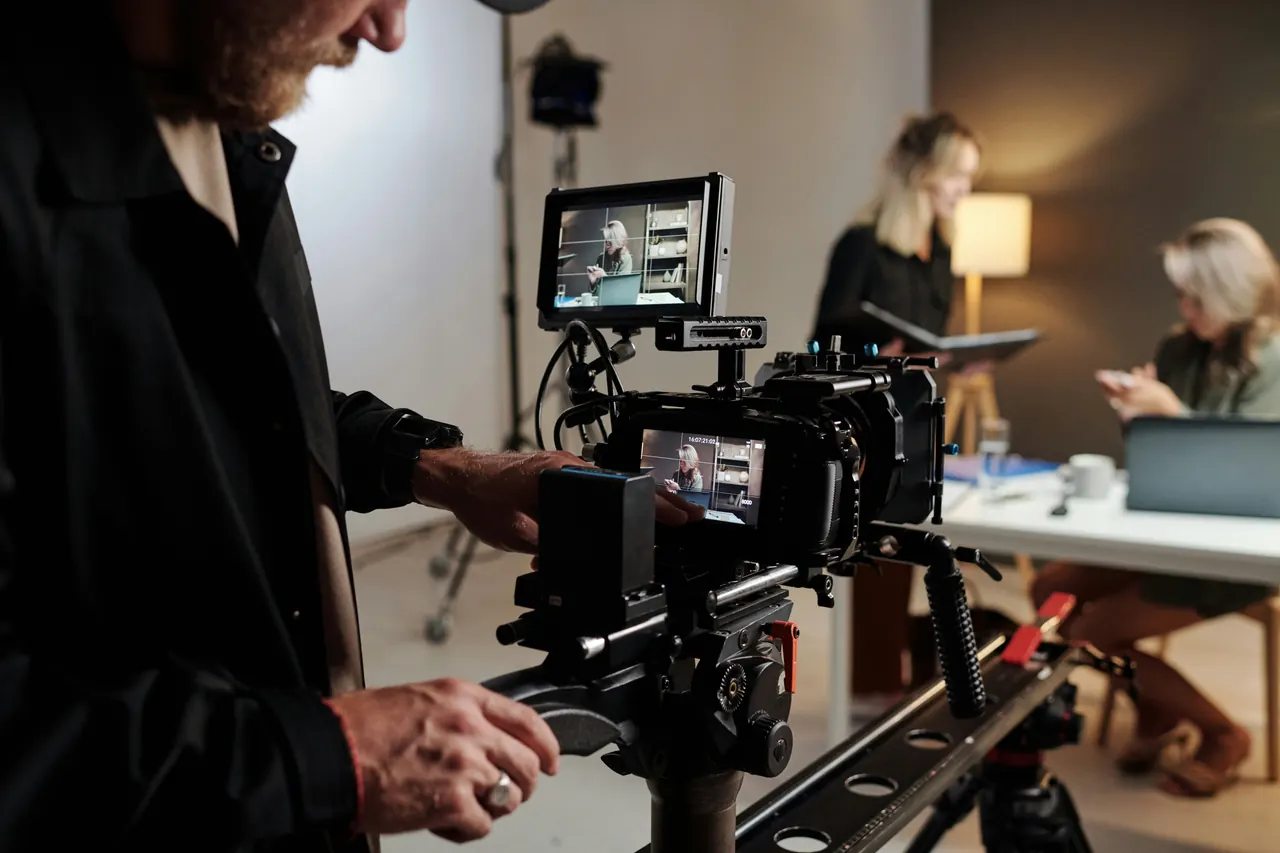
A smooth production day is mostly won before the cameras arrive. Good preparation protects the schedule and helps everyone on camera feel more comfortable.
Use this checklist to remove avoidable delays while leaving enough room for natural moments.
Confirm the goal and audience
Everyone involved should understand what the video needs to accomplish and who will watch it. This keeps interviews focused and prevents the shot list from growing without a clear reason.
- One primary audience
- One main action for viewers
- Approved key messages
- Final platforms and aspect ratios
Prepare the location
Walk through each filming area at the same time of day as the shoot. Check noise, natural light, clutter, parking, loading access, power, and any areas that should remain private.
- Clean and stage visible spaces
- Reserve quiet interview rooms
- Notify neighbours, staff, or building management
- Prepare safety orientation and site access
Help people feel ready
Share the schedule and interview topics early. Ask people to wear solid colours that fit the brand and avoid fine patterns, distracting logos, or noisy jewellery. Exact scripts often make delivery feel stiff; clear talking points are usually better.
- Confirm names and job titles
- Build short breaks into the schedule
- Have a backup speaker available
- Collect appearance releases where needed
Gather brand materials
Provide the production team with current logos, fonts, brand colours, product packaging, and any claims that require legal approval. Early access makes editing faster and more consistent.
Choose one decision maker
Designate one person to approve framing, messaging, and schedule changes on the day. Fast decisions prevent a full team from waiting while several opinions are reconciled.
Frequently asked questions
Should interview answers be memorized?
Usually no. Talking points and a guided conversation tend to sound more natural.
How early should staff receive the schedule?
Share a working schedule several days ahead and confirm final arrival times the day before.
What should we wear on camera?
Choose clean, comfortable clothing in solid colours that fits the company’s normal environment and brand.