Fitness · Guide
Gym Coach Introduction Videos: Show How Your Team Coaches
Plan gym coach introduction videos with useful interview prompts, representative coaching footage, accurate profiles and a clear production brief.
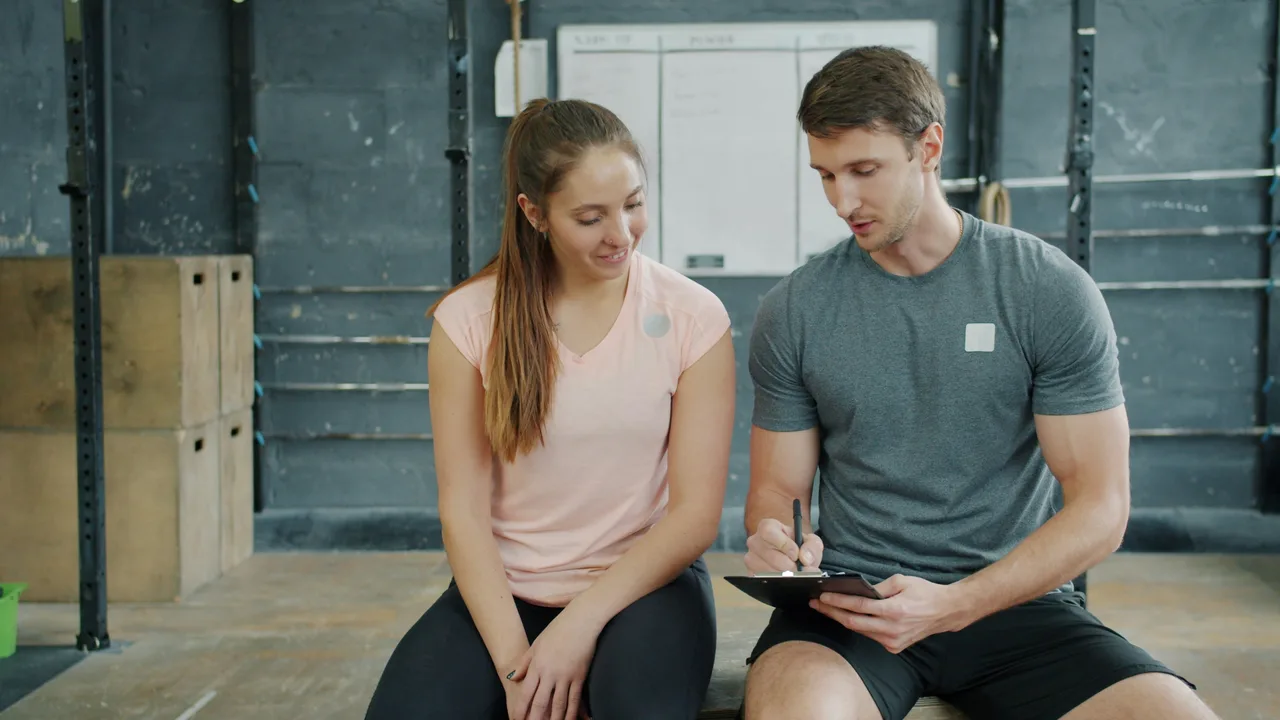
A useful gym coach introduction video shows who the coach works with, how they communicate and what a member can expect from their sessions. Pair a short, natural interview with a few representative coaching interactions. Give each coach a distinct reason to be on screen, then direct the viewer to the current class or enquiry page.
For a Vancouver gym or studio, this is a specific production brief. You are helping someone understand the person leading the session. A sequence of the coach's hardest lifts may show athletic ability, but it leaves their teaching style unexplained.
The plan below is for gym owners and studio managers commissioning profiles of their team. The examples are illustrative, not NC Productions client stories or promises of membership growth.
Decide which member question each profile answers
Start with the questions your front desk actually receives about instructors. A prospective member might ask whether a coach explains movements patiently, what a small-group session feels like or which class they normally teach. Ask the team to bring recent examples without including private member information.
Choose one main question for each profile. If every coach says they are passionate and welcoming, the series gives viewers little help choosing a session. One instructor might explain how they introduce the class format. Another might describe how they organise feedback during a busy group. Both can represent the same gym while showing different aspects of the experience.
Write a simple editorial objective: after watching, a prospective member should understand how this coach leads this kind of session. Keep a class launch, a building tour and a member testimonial as separate assignments. Our gym tour guide covers the space and arrival experience.
Prepare prompts that produce specific answers
Everfit's own trainer-profile guidance recommends a concise introduction with a role, area of expertise and next action, using natural spoken language. That is a useful foundation, rather than a universal script or proof that one runtime converts best. Everfit's introduction guide is linked for context.
For a gym team, move quickly from biography to an observable coaching habit. Ask one question at a time and invite a real explanation, not a memorised slogan. These original prompts are starting points to adapt with your instructors:
Follow an abstract answer with a request for an example. If a coach says they provide clear feedback, ask them to describe a normal interaction. Do not ask for a private member's history or invent a dramatic transformation to make the answer stronger.
- Which session do you lead, and who usually comes to it?
- What do you explain before a participant starts that session?
- What is something you regularly clarify when a person is new?
- How do you make space for questions during the class?
- What would someone notice about the way you communicate?
- Where should a person look to find your current sessions?
Connect each answer to something the camera can show
Build the shot list beside the interview prompts. For each useful answer, identify an action that illustrates it honestly. A greeting, an explanation of the session plan or a coach listening to a participant may carry more information than another close-up of equipment.
Consider this hypothetical example: a small-group strength coach explains that they introduce the session before the group begins. Supporting footage could show that opening conversation, a participant asking a question and the coach referring to the session board. The sequence illustrates communication. It does not demonstrate a health outcome or establish that every session is identical.
Avoid using unrelated clips to imply an interaction happened. Keep a record of which class and coach supplied the footage. If you arrange a controlled demonstration with willing participants, make it representative of the service and keep that production context clear in your records. Do not present a staged participant as a member giving a testimonial.
Make a series consistent without making everyone identical
Agree a shared visual structure: a recognisable opening, the coach's name and role, a clear answer, supporting footage and one closing action. That gives the series a common identity while leaving room for different personalities and teaching styles.
Keep name graphics readable and verify spelling, pronunciation, job titles and any credentials before filming. Only include qualifications the gym can substantiate. A short profile does not need every course the coach has taken; choose information relevant to the service being described.
As an editorial starting point, a profile answering one narrow question might fit roughly a minute. Time the actual answer before confirming length. If the story needs several explanations, consider a separate longer version instead of rushing the speaker or filling the screen with small text. The production quote should state the number of profiles and versions, not simply promise a day of filming.
Schedule interviews separately from class coverage
Reserve a quiet interview window when the coach can focus on speaking. Listen to a sample recording for music, ventilation and dropped weights before accepting the location. A visually attractive corner may still be a poor place to record an explanation.
Then agree the class or controlled coverage window. Tell the instructor what the camera needs before the session, rather than interrupting their work with repeated requests. Let the gym determine the appropriate activities and participant arrangements. The filming plan should support the session your team actually offers.
Choose camera positions around the intended edits. If the website needs a landscape profile and social channels need vertical cuts, check both compositions during planning. A wide image containing two people and a session board may not survive a narrow crop. Allow for a separate closer setup when the explanation depends on seeing the interaction.
Our gym content-day guide explains how to fit several deliverables around the timetable. Use it to organise access, while keeping each coach's story and coverage needs explicit.
Review the impression created by words and pictures
Check the whole edit, including titles, thumbnails, captions and the clips used to promote it. A measured interview can still become misleading if a headline promises a physical result the coach never established. Avoid adding superlatives, medical implications or outcome claims just to create a stronger hook.
The Competition Bureau's advertising guidance warns against unsupported performance claims and misleading overall impressions. Apply that check to the published profile, not only the spoken script. This is an editorial review point, not a legal opinion about a particular campaign.
Have the featured coach check factual details and the gym's designated approver check service accuracy. Confirm that the class shown is still offered, the named instructor is current and the next step matches how enquiries are handled. Agree participant and location permissions for the actual uses before filming; ask the responsible business contact to resolve uncertainties.
Specify captions and usable handover files
Plan accessible delivery while writing the brief. W3C's media-planning guidance covers captions, transcripts and essential visual information. For this series, decide how viewers will receive the coach's words and any important information shown only in graphics.
Ask for checked captions with correct names and gym terminology, a clean master and the agreed destination-specific exports. Review the real files at the sizes where people will watch them. Confirm that captions, name graphics and the coach's face remain visible together. Do not rely on a desktop edit preview to establish that every vertical version works.
Keep the current booking details in the surrounding page when they are likely to change. A profile with a spoken weekly timetable can become outdated unnecessarily. Identify who will update the team page, remove departed instructors and replace old exports. Our file-handover checklist can help define the delivery folder.
Judge usefulness against the original question
Before release, show the profile to someone who was not involved in the edit. Ask what kind of session the coach leads, what they learned about the coaching experience and what they would do next. If they can recall only the music or logo, revisit the explanation before adding more effects.
After release, track the placements and questions relevant to your objective. Note visits to the coach page, enquiries naming the instructor and recurring points of confusion, using measurement your business actually has available. Small numbers and changes in class availability can make comparisons uncertain. A video view does not establish a trial booking or prove the profile caused one.
Use that feedback when briefing the next profile. The aim is a useful team library with accurate individual stories, rather than a large collection of nearly interchangeable clips.
Before booking the shoot
- List the featured coaches and the main question each profile will answer.
- Confirm current roles, class references and any qualifications to appear on screen.
- Match each interview answer to representative footage.
- Reserve quiet recording time and agreed coverage windows.
- Confirm participants, locations, intended uses and the responsible approver.
- Specify profile counts, aspect ratios, captions, review rounds and delivery needs.
- Assign an owner to keep coach pages and booking links current.
Frequently asked questions
Should every coach use the same script?
Use consistent prompts and graphics, but let people answer naturally. Give each profile a distinct member question and representative footage so the series explains meaningful differences.
Can we film several coaches in one session?
Potentially, if access, interview time and supporting coverage fit the agreed scope. Count complete profiles and versions before setting the schedule; an interview alone may not supply the footage each finished edit needs.
Is a coach profile the same as a member testimonial?
No. A coach describes their role and approach. A member testimonial records that member's experience. Keep their sources and permissions clear, and do not edit either into unsupported outcome claims.