Fitness · Guide
Gym Video Audio: Record Clear Coaching Without Losing the Atmosphere
Plan clear gym video audio with separate coaching and class recordings, agreed music arrangements, caption review and practical questions for your production team.
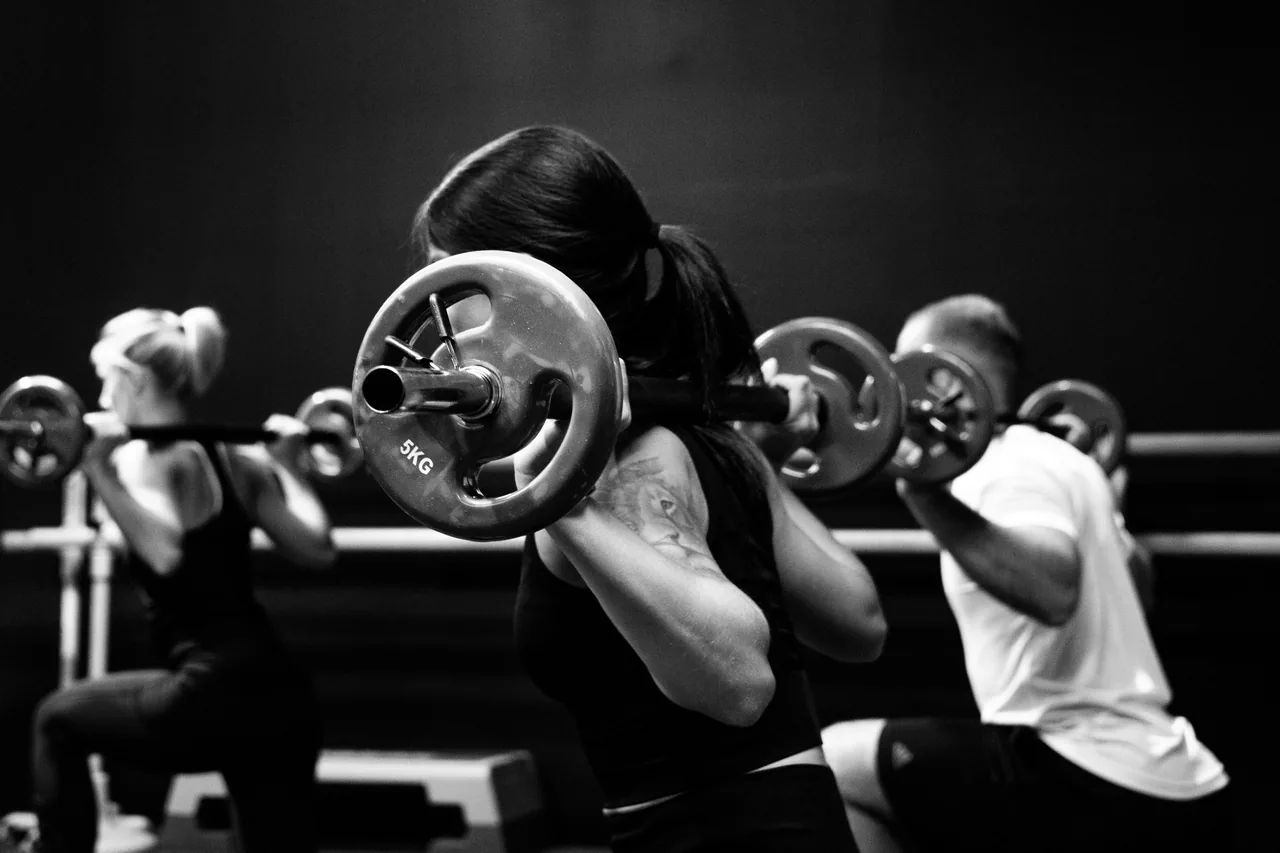
A coach gives a useful answer about helping a new member feel comfortable. Behind them, a class starts, a timer sounds and the playlist gets louder. Before filming that answer, decide which sound the viewer needs to hear.
For a monthly gym video programme, we recommend planning spoken explanations and class atmosphere separately. You can still show a busy, welcoming gym. Give essential dialogue its own recording window rather than making every interview compete with the workout.
Decide what viewers need to hear
Before the shoot, label each planned video by its audio priority. A coach answering a first-visit question needs understandable speech. A short class montage may rely on movement and selected room sounds. A member interview needs space for an uninterrupted answer.
Use these priorities to brief the production team. Say which words must survive the edit and where atmosphere matters more than live dialogue. This is a planning recommendation, not a rule that every video must sound the same.
- Dialogue-led: a coach explains what happens during an introductory session.
- Atmosphere-led: agreed class footage shows the pace and group interaction.
- Mixed: a separately recorded explanation sits over relevant training footage.
Reserve a separate window for interviews
Choose a time and location for spoken answers before assigning coaches to the rest of the shoot. Ask the gym manager when nearby classes, cleaning, deliveries and equipment use are likely. A room that looks quiet on the schedule still deserves an audio check.
Offer the crew a second location if the first cannot work. That might be an office or a quieter corner, subject to access and privacy arrangements. Let the production team test the options rather than selecting solely for the background.
Build this window into your wider gym content-day plan. Protect it from overlapping responsibilities so a coach can finish an answer without also checking in members or leading a class.
Ask for a listening test, not a microphone promise
You do not need to specify the microphone model. Ask how the team will capture the voice, test the setup and monitor the recording. RØDE explains that microphone placement affects the balance between the wanted voice and surrounding noise. Positioning an appropriate microphone closer to the speaker can improve that balance.
Our recommendation is to record a short sample in the actual conditions before the full interview. Have the coach speak and move as they will during the take. Ask the crew to listen for clothing contact, interruptions and other distractions, then adjust the plan.
Do not approve a noisy location on the assumption that everything will be removed later. Agree on a fallback: move the interview, repeat an interrupted sentence or record the explanation separately. Ask the editor to assess any repair rather than promise a result before hearing the material.
Keep class energy without disrupting the class
Ask which parts of the session can be filmed without changing how it runs. For atmosphere, identify moments such as a group response or a coach welcoming participants. Let the crew decide what can be recorded usefully within the agreed filming arrangements.
Any request to lower or stop music should be agreed with the gym in advance. Name the staff member who can approve and make that change. Do not assume an instructor can interrupt a booked class for an interview.
If music must stay on, plan essential spoken material elsewhere or at another time. Tell the editor which live sounds matter and which footage is intended as visuals only. Capturing a lively room does not commit you to keeping its entire soundtrack.
Confirm music rights for the finished video
Keep the gym’s music arrangements separate from the video’s music plan. Entandem describes the public-performance licences it administers for Canadian businesses. CMRRA separately explains synchronization permission for including copyrighted musical works in audiovisual productions. Do not infer permission for your finished video from a licence to play music in the gym.
Ask the production team to confirm appropriate rights for the chosen music and recording, including the intended website, social posts and paid advertising. Flag any existing playlist music audible in recorded footage before approving its use.
This is a production-planning checkpoint, not legal advice. If rights are unclear, ask the relevant rights holder or a qualified adviser. Keep the confirmed music-use details with the project handover so future edits can be checked against them.
Keep captions in the delivery plan
Clear audio does not remove the need for captions on spoken gym videos. W3C’s accessibility guidance explains that captions communicate speech and non-speech sounds needed to understand the content. It also says automatic captions need accuracy checks.
Ask who will review coach names, exercise terms and the wording of instructions. Include that review before approval, not after scheduling the post. Use the captions and transcripts planning guide to agree on the files and versions your team needs.
For each monthly batch, keep a short audio note: the dialogue location, agreed music changes, essential live sounds, caption reviewer and unresolved music permissions. Update it when the gym schedule or intended video use changes.
Frequently asked questions
Do we need to close the gym to record clear speech?
Not necessarily. Start by discussing a quieter time or separate room with the production team. Test it during representative conditions. If the location cannot support the planned interview, agree on another window rather than promising a fix in editing.
Can we record an explanation after filming the class?
Yes, that can be part of the agreed plan. Ask the coach to explain the activity accurately and let the editor use it over relevant footage. Do not present a later recording as a spontaneous comment from a member or coach during class.
Should every class sound remain in the final edit?
No. Agree on which sounds help the viewer understand the gym. Review the finished mix for clear speech and an appropriate sense of activity, and flag audible music for the separate rights check.