Brand films · Guide
How to Choose a Video Production Company in Vancouver
Compare video production companies using complete films, a clear scope and a practical quote checklist. Know what to ask before you book.
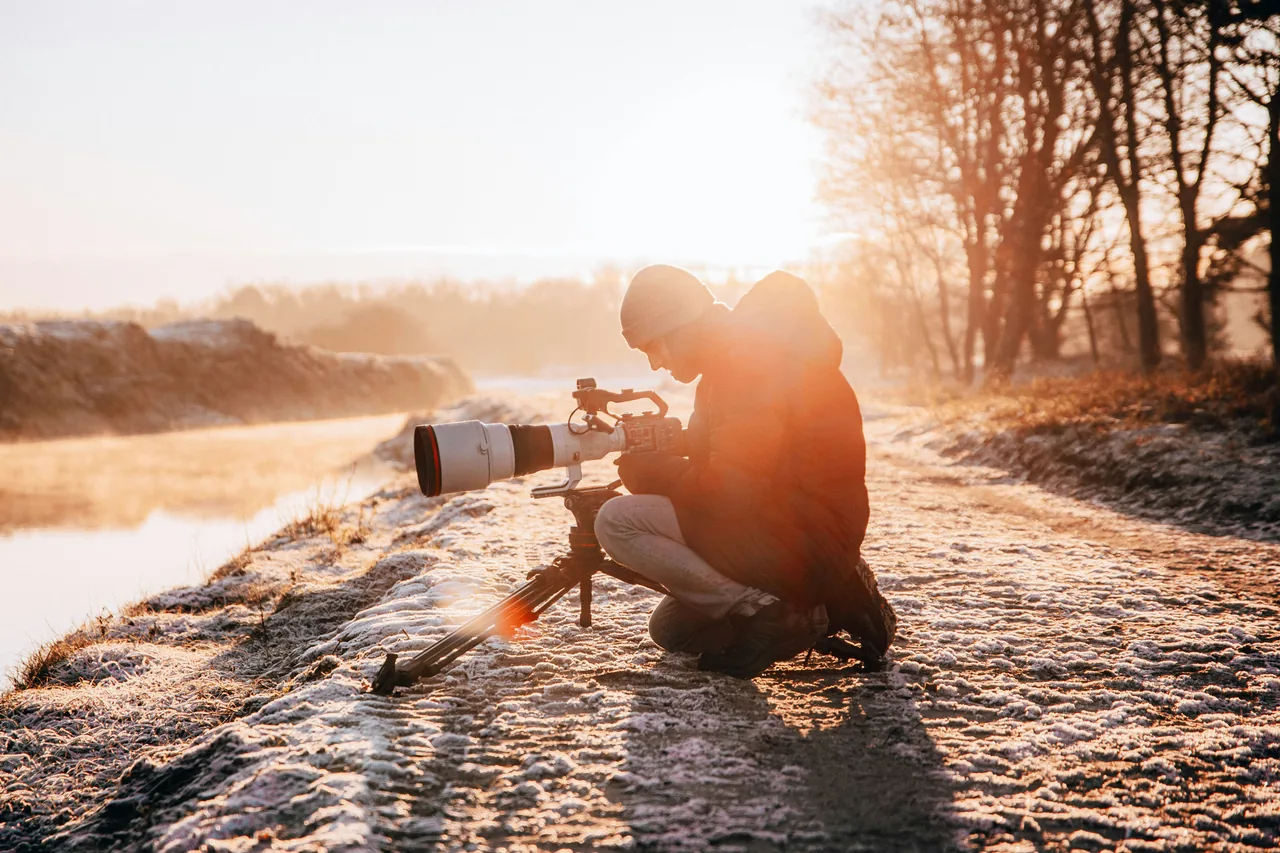
Choose a video production company by comparing the work you actually need delivered, the team responsible for it and the process that gets it finished. A strong showreel earns a closer look. A clear brief and a written scope make the buying decision possible.
If you are looking at several prices, start by checking whether they describe the same project. A filming day, a finished film and a campaign with several edits are different things. Comparing their totals without matching the scope can hide the cost of the work you still need.
Use this guide to shortlist a team, run a useful first call and compare proposals without needing to become a filmmaker.
Define the job before you shortlist the company
Write one sentence that explains the audience, the decision they need to make and the action the video should support. For example: “Help property owners understand our handover process before they enquire about a renovation.” That is more useful than “We need something cinematic.”
Add the main place the film will run: a website, sales presentation, event screen, recruitment page or paid campaign. The producer needs that context to recommend a format. A team can make beautiful images and still be the wrong fit for the message or working environment.
For a local shoot, share the actual locations and access windows. Two Metro Vancouver sites on the same day create travel, loading and setup requirements. For a project elsewhere in Canada, ask how travel and local production arrangements affect the scope.
- Primary audience and the question they need answered.
- One main outcome, such as qualified enquiries or clearer onboarding.
- Required locations, contributors and target publication date.
- Essential finished files, plus optional versions you would like priced separately.
Watch complete films, not just the highlights
A montage can demonstrate camera work and colour. It tells you less about whether a team can explain a complicated service, make an interview comfortable or maintain a clear story for two minutes.
Ask for two complete projects that resemble your use case. Listen to the dialogue. Check whether you understand the message without being told what the business does. Watch the beginning and ending: does the film establish a reason to care and a useful next step?
Look for relevant production conditions as well as a matching industry. An active job site, a noisy event and a quiet interview each call for different planning. If the portfolio example was made with a larger crew or different budget, ask what approach is realistic for your project.
Find out who will do the work
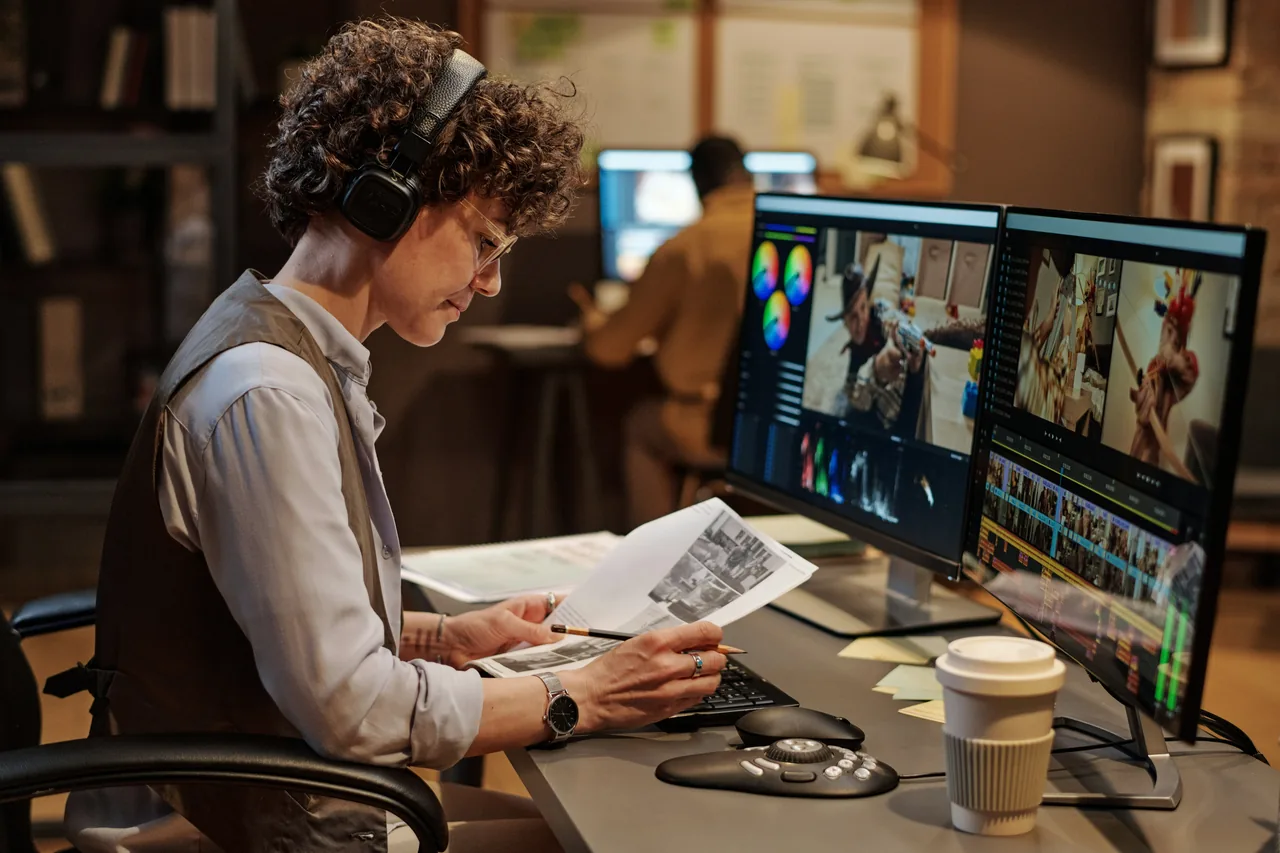
Ask who leads the planning, who will be on location, who edits the film and who collects your feedback. Some projects suit one experienced filmmaker. Others need dedicated sound, lighting, a second camera or support across simultaneous locations. The useful question is whether the proposed crew can cover the agreed work.
Ask how the team prepares people who are not used to a camera. A clear interview outline, a quiet room and a realistic schedule often matter more to the final conversation than another equipment name.
- Who is our day-to-day contact?
- Who is actually filming and editing this project?
- How are interview preparation and factual approvals handled?
- What happens if a contributor, location or filming date changes?
Use this quote-comparison checklist
Give every shortlisted company the same brief. Ask for an explicit answer where a proposal is vague. You do not need identical equipment lists; you need to understand the scope, assumptions and responsibilities behind each price.
| Decision | Ask for this in writing | What it prevents |
|---|---|---|
| Planning | Discovery, script or interview preparation, shot list and schedule. | Assuming creative development is included in a filming rate. |
| Production | Coverage hours, crew, locations, sound and any aerial work. | Treating “half day” or “full day” as a complete scope. |
| Finished edits | Number, purpose, approximate runtime and aspect ratio of each edit. | Confusing one master film with several distinct deliverables. |
| Captions and versions | Caption files or burned-in text, language versions and platform exports. | Discovering accessibility or publishing needs after the edit is finished. |
| Review | Who reviews, included rounds and the process for scope changes. | Conflicting feedback and unplanned editing work. |
| Usage and files | Planned distribution, music and participant permissions, raw footage and project files if requested. | Assumptions about what can be used, where and for how long. |
| Dates and costs | Filming dates, review windows, delivery milestones, travel, taxes and exclusions. | Comparing incomplete totals or relying on an unconfirmed deadline. |
Worked example: two proposals that are not yet comparable
Imagine you need one customer interview, a website film and three vertical extracts. Everything is filmed at one business location. This is a hypothetical brief, not an NC Productions package.
Proposal A offers a half-day shoot and one edited film. Proposal B offers a full production day, the main film, three extracts and captions. A lower total on Proposal A does not tell you what the complete requested project will cost. Equally, a full day in Proposal B may be more coverage than the work needs.
Ask both teams to quote the same essential delivery list and separate optional work. Then ask each to explain the schedule they recommend. You can choose a simpler scope deliberately instead of discovering the missing pieces after booking.
- Required: one interview and supporting footage at one location.
- Required: one website film and three independently usable vertical extracts.
- Confirm: captions, review rounds and the planned distribution.
- Optional: photography, extra interviews or additional ad variations.
Check the working process before you sign
A useful proposal should explain what you need to supply and when. Check who arranges location access, who contacts contributors and who approves names, statistics and other factual claims. Agree on one person who will return consolidated feedback.
Ask how a change is assessed after the scope is approved. A new scene, an additional version and a correction to an on-screen name are different requests. Clear handling of those differences protects both the schedule and the relationship.
If timing is important, discuss the entire path to publication: filming, first cut, your review, revisions and final approval. A fast first cut does not by itself guarantee a campaign can launch on time.
Know the warning signs
Be cautious when a proposal promises a business result without explaining the audience, distribution or measurement. A view count is not the same as a qualified enquiry, and production quality alone cannot guarantee sales.
Other warning signs are practical rather than dramatic: unclear deliverables, no named reviewer, an undefined delivery window, or answers that change when you ask what is included. Raise those gaps before booking. A capable producer should be able to explain the trade-offs in plain language.
- “Unlimited content” without a defined editing and delivery scope.
- A total price with no assumptions or exclusions.
- Pressure to choose a package before the project is understood.
- No explanation of how feedback, permissions or changes will be handled.
A useful first-call agenda
Bring your one-sentence objective, the required delivery list, location details and a working budget range. You can be clear about the outcome without arriving with a finished script.
Finish the call by asking the producer to describe the simplest workable approach and the main thing that could change the price or timeline. Their answer often tells you more about fit than a long list of equipment.
For NC Productions, the published pricing page is a starting point for planning. The written proposal should still connect the selected service to your filming conditions, editing scope and intended use. Use the worksheet below to put the same questions to any company you shortlist.
Put the guide to work
Your planning worksheet
A plain-text checklist you can use to compare proposals and prepare for a first call.
Download the production-company comparison worksheetPlain text · Edit in your own notes or document · No signup
Frequently asked questions
Do I need a finished script before asking for a quote?
No. Start with the audience, the problem, the main message and where the video will run. Ask whether scripting or interview development is part of the proposed planning work.
Should I choose the lowest quote?
Compare the same required scope first. A simpler proposal can be the right choice if it delivers what you need. A low total is harder to judge when important work is unspecified.
How many companies should I compare?
A small shortlist of relevant teams is usually easier to assess than a large collection of unrelated day rates. The important step is giving each team the same brief and asking the same essential questions.
Does a more expensive camera mean a better business video?
Equipment supports the production, but the message, contributors, sound, lighting, planning and edit also affect the result. Ask why the proposed setup suits your project rather than comparing model names alone.
Are raw footage and project files included?
Ask explicitly. Have the quote state which files are delivered, how they may be used and whether handing over working files changes the scope.