Construction · Guide
Construction Tender Videos: Plan the Evidence and Delivery
Plan a construction tender video around the accepted brief, relevant project evidence, accurate claims, approvals and the actual submission or presentation setup.
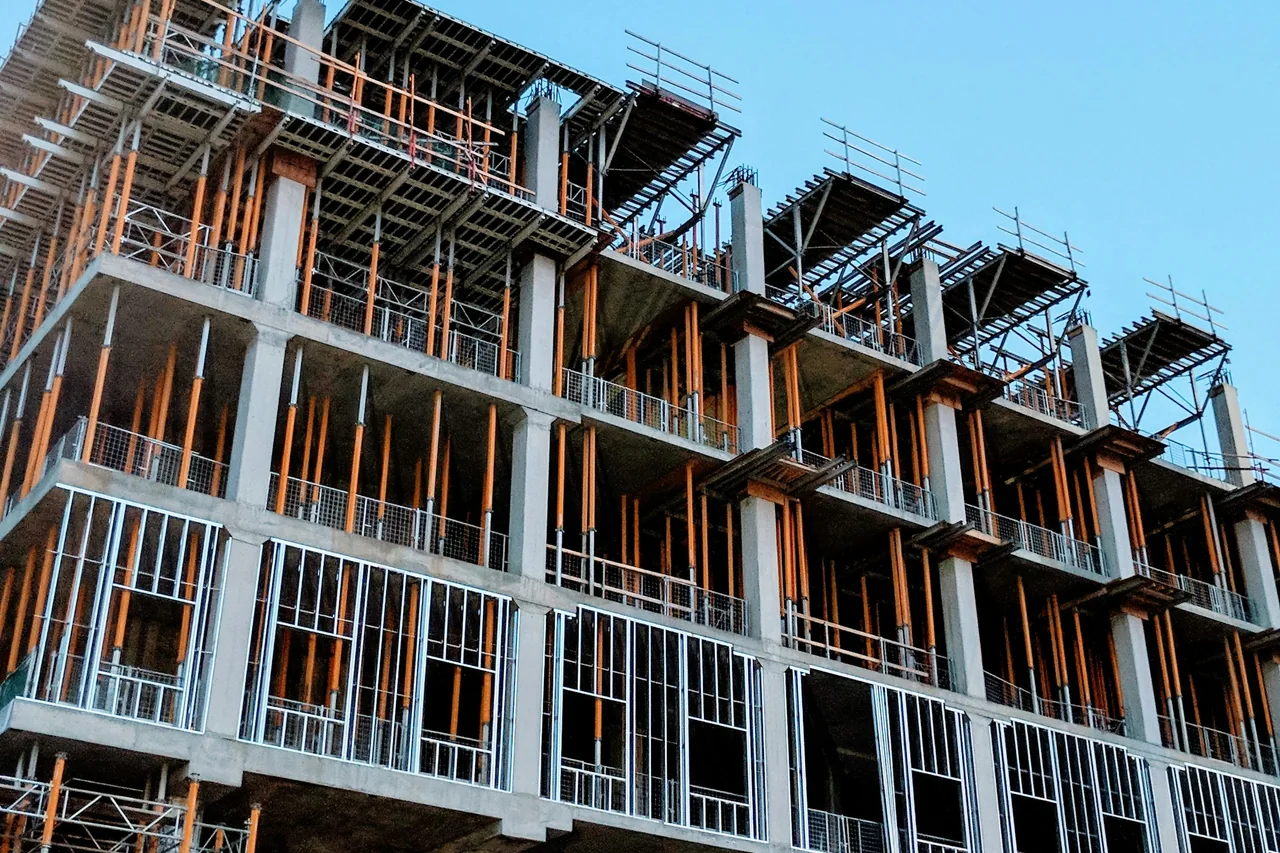
A construction tender-presentation video should explain relevant experience through clear, verifiable project evidence, and fit the buyer's stated submission or presentation rules. Check whether video is allowed before commissioning it. Keep required written answers and documents complete in the requested format.
For Vancouver contractors and trades businesses, an existing project film may contain useful material. Turning it into a tender-specific edit takes a different brief: which question is being answered, what the footage actually shows and how the intended viewer will receive it.
This guide covers production planning for an accepted video contribution. It does not establish what a particular buyer will accept, assess a contractor's eligibility or promise that a film will improve a bid score.
Start with the buyer's instructions
Read the actual opportunity documents and any relevant updates with the person responsible for the response. Identify whether video is requested, permitted as supplementary material, reserved for a presentation stage or not part of the process. Do not assume an external link will be opened or scored.
BC Hydro's bid-opportunities guidance tells suppliers to follow the submission instructions in the competitive bid documents and explains that evaluation uses the stated criteria. Use that as a reason to check the specific documents, not as permission to add video to every response.
Record the accepted delivery method, any runtime or file limits, deadlines and the official route for questions. Where the instructions leave the use of video unclear, the bid lead should resolve that through the stated process before the production team plans around it. Do not replace a required written answer with “see video”.
Choose one production job
A general company montage, a completed-project case study and a presentation aid solve different problems. Choose the job the buyer's process actually makes room for.
A project evidence edit can explain the contractor's contribution to a comparable job. A team introduction can show the named people involved, if that is relevant and accurate. A presentation aid can make a particular sequence easier to follow while the presenter explains it. Avoid combining all three simply because the company has footage available.
Our construction case-study guide covers building the underlying project story. This tender-specific brief starts later: selecting the material that answers an accepted question and checking its use in this particular response.
Map every claim to evidence
Create a small evidence table before writing narration. Start with the question, choose the claim that can be supported and identify the source behind it. Then decide what the viewer should see. Keep the table with the edit so reviewers can trace a statement back to its basis.
A finished building does not establish which company completed every part of it. Identify the actual scope. Footage of a meeting does not, by itself, prove a claimed schedule improvement. Pair a statement with records the response team is authorised to use, or narrow the wording to what is known.
| Presentation point | Useful visual material | Check before inclusion |
|---|---|---|
| Experience with a comparable project | Identified footage of the relevant completed work | Project, date and contractor's exact role |
| Coordination approach | An approved sequence showing a real workflow | Context, permissions and whether it reflects the current team |
| A particular construction constraint | Relevant progress footage and an explanation from the project lead | What happened, what the company did and what can be substantiated |
| Named personnel | Current interviews or introductions | Names, roles and proposed involvement confirmed by the bid lead |
Select comparable work rather than impressive scenery
Choose footage because it helps explain relevance. The largest project in the archive may be less useful than a smaller one with a genuinely comparable constraint, delivery approach or scope. Ask the estimator or project lead to explain why each example belongs.
Give viewers enough context to understand what they are seeing. A project identifier, a concise statement of the company's role and a clear explanation of the relevant work can be more useful than a long aerial opening. Keep labels readable and avoid unexplained abbreviations.
If several projects appear, distinguish them. Do not cut unrelated locations into one sequence that implies a single project. Keep dates and stages clear when mixing progress and completion footage, and remove claims that the current evidence cannot support.
Audit the archive before booking new filming
List what already exists: original footage, approved masters, interviews, photographs, drawings and the permissions associated with each. Check whether the files are usable for the intended edit and whether any relevant restrictions apply. Possessing a file is not the same as knowing its permitted uses.
Record the gaps separately. You might need a current project-lead introduction, a clearer explanation of the company's contribution or a shot that was never captured. A targeted interview or a focused filming visit may solve the missing information without recreating a full project film.
For new coverage, give the production team the approved brief and the site's access requirements. Ask the responsible site team to determine suitable access and activity. Production planning should fit those arrangements; this article does not provide operational site-safety instructions.
Write a sequence that still makes sense without spectacle
A practical editorial sequence is context, relevant work, explanation and a concise close. Establish what the example is, show the work that matters, explain the company's contribution and stop when the accepted question is answered. Let the buyer's requirements determine the maximum length.
As a hypothetical example, a trade contractor could open with its precise scope on a comparable project, show two approved sequences of that work and use a project lead to explain a coordination decision. That is an illustration of structure, not an NC Productions client story or evidence of a successful bid.
Use the presenter's voice where a live explanation is part of the format. A film should support the presentation rather than force the presenter to wait through information they have just covered. Confirm whether playback time is included in the allocated presentation time.
Build a delivery plan for the actual setting
For a permitted file submission, agree the required file type, size, naming and accompanying material with the bid lead. For a permitted hosted link, check the intended access and whether recipients need an account. For an in-room presentation, coordinate playback with the people responsible for the venue and equipment.
Do not describe an unlisted YouTube link as confidential. YouTube's privacy-setting guidance explains that anyone with an unlisted link can view and reshare it. Choose a sharing method appropriate to the material and the buyer's instructions, rather than assuming “not searchable” means restricted access.
Prepare captions, a transcript or other access features as the project requires. W3C's media-planning guidance recommends addressing accessibility during production planning. Identify these deliverables before the final edit so they can be reviewed with the same factual care as the spoken content.
Review the finished export against the response
Assign a factual reviewer who understands the projects, and a response owner who checks consistency with the written submission. Confirm names, dates, project roles and every result or capability statement. Remove outdated team information and graphics that create a misleading impression.
Watch the actual exported file from beginning to end. Review captions, audio, text size, opening and ending frames, and the transitions between projects. A correct editing timeline does not establish that the exported file is complete. Keep the approved export separate from review copies.
Where a playback or access check is permitted, use the actual intended setup before the deadline. Record the version tested and the result. Do not use a public publishing check as a substitute for a buyer's submission receipt, or assume successful upload means the response has been accepted.
Keep reusable material separate from the tender edit
Store the tender-specific master with its evidence table, review decision and version label. Keep a separate record of which footage can be reused in marketing. Details suitable for one response should not automatically appear in a public reel.
For the next opportunity, revisit the brief rather than changing only the logo or opening title. Recheck relevance, current personnel and permitted delivery. The same archive can support several useful films, but each accepted question deserves a focused edit.
Our construction video production page explains the service options. The video file handover checklist helps the marketing and response teams distinguish final exports from source files and review versions.
Before commissioning: the production checklist
- Confirm that video has a permitted role in the specific process.
- Record the accepted question, delivery requirements and deadline.
- Identify each project, the company's actual contribution and evidence owner.
- Check archive quality, permissions and missing coverage.
- Assign factual review and consistency review with the written response.
- Scope captions, supporting text and the actual playback or access check.
- Retain one clearly labelled approved master and its review record.
Frequently asked questions
Can we include a video link in every tender?
Do not assume so. Follow the specific opportunity's instructions and use its stated clarification process when needed. Keep required response material in the requested format.
Can we reuse a public construction case study?
Possibly, if it answers the accepted question, accurately reflects the company's role and its permissions cover the intended use. It may need a focused edit, updated information or different supporting material.
Will a better video help us win?
A clear film can make an accepted visual explanation easier to follow. It does not establish eligibility, prove unsupported claims or guarantee a score or award. Assess its usefulness against the buyer's process and feedback.