Construction · Guide
Construction Progress Video vs Timelapse: Which Is Better?
Compare construction progress video and timelapse for stakeholder reporting, marketing, project records, and completed-project case studies.
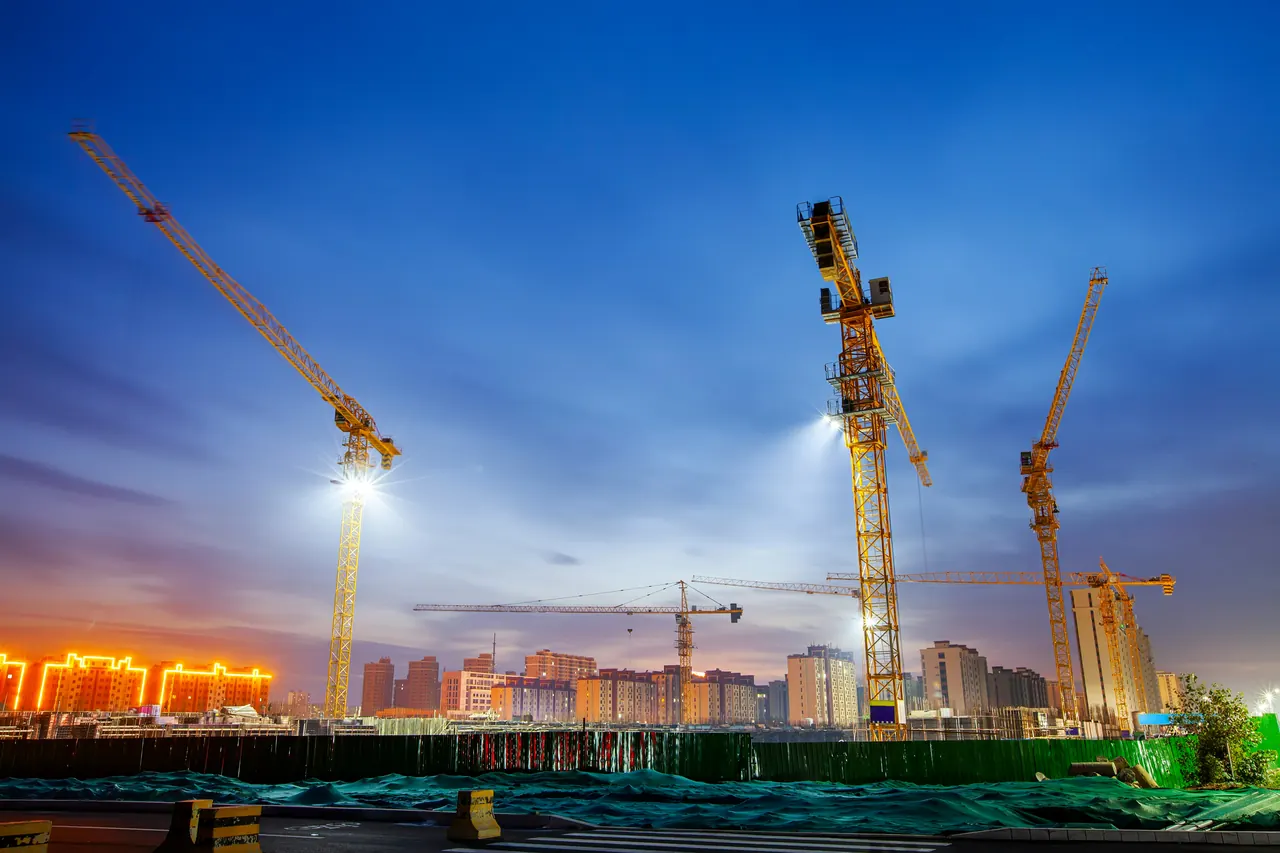
Timelapse and progress video both show change, but they capture a project in very different ways.
The best choice depends on whether you need one continuous viewpoint, a flexible story, or a combination of both.
What timelapse does well
A fixed timelapse compresses weeks or months into a short sequence. It is effective for showing overall transformation from a consistent viewpoint.
- Long-term transformation
- Simple visual updates
- A dramatic start-to-finish reveal
What progress video does well
Progress video uses scheduled ground and drone visits to capture different areas, details, people, and milestones. It can include interviews and explain why the work matters.
- Multiple viewpoints and locations
- Craftsmanship and team activity
- Stakeholder explanations
- Final case-study storytelling
Think about risk and flexibility
A fixed camera needs secure placement, power, storage, maintenance, and a useful view throughout the build. Progress visits can adapt when access, activity, and priorities change.
Using both together
Timelapse can provide the visual spine while progress visits add close details, drone context, interviews, and major milestones. This creates a stronger final film and a deeper project archive.
Choose based on the audience
For quick transformation, timelapse may be enough. For proposals, investors, recruitment, client communication, or a polished case study, progress video usually offers more story and flexibility.
Choose coverage around the question the viewer needs answered
A fixed timelapse can show visible change over time. A progress film can explain that change with interviews and selected details. Neither format proves workmanship or replaces required project records. For a project with a complex handover, consider milestone footage plus an approved project-lead interview rather than treating a timelapse as the complete story.
| Need | Progress film | Fixed timelapse |
|---|---|---|
| Explain a challenge | Interview and detail footage can explain decisions. | Visible activity alone usually needs added explanation. |
| Show long-term change | Requires planned repeat visits. | Repeated capture can show change from a consistent view. |
| Capture multiple areas | Crew can move between approved locations. | Coverage is limited by camera placement and visibility. |
| Plan access | Coordinate each visit and relevant site permissions. | Confirm mounting, power, weather protection, access and maintenance. |
| Create a client case study | Plan a story, permissions and evidence for claims. | Useful supporting footage; may need interviews and additional shots. |
- Confirm safe access and site requirements with the responsible site team.
- Drone footage is optional and depends on location, permissions, weather and applicable operating requirements.
Frequently asked questions
Is progress video more flexible than timelapse?
Yes. Each visit can respond to current site activity and capture different perspectives.
Can timelapse and drone footage be combined?
Yes. They complement each other well in progress updates and final films.
How often should progress filming happen?
Monthly, milestone-based, or another schedule can work depending on the build and communication needs.