Construction · Guide
Landscaping Project Videos: Plan for More Than the Reveal
Plan a landscaping project video around garden use, design choices and honest seasonal footage. Decide what to film now and when a return visit adds value.
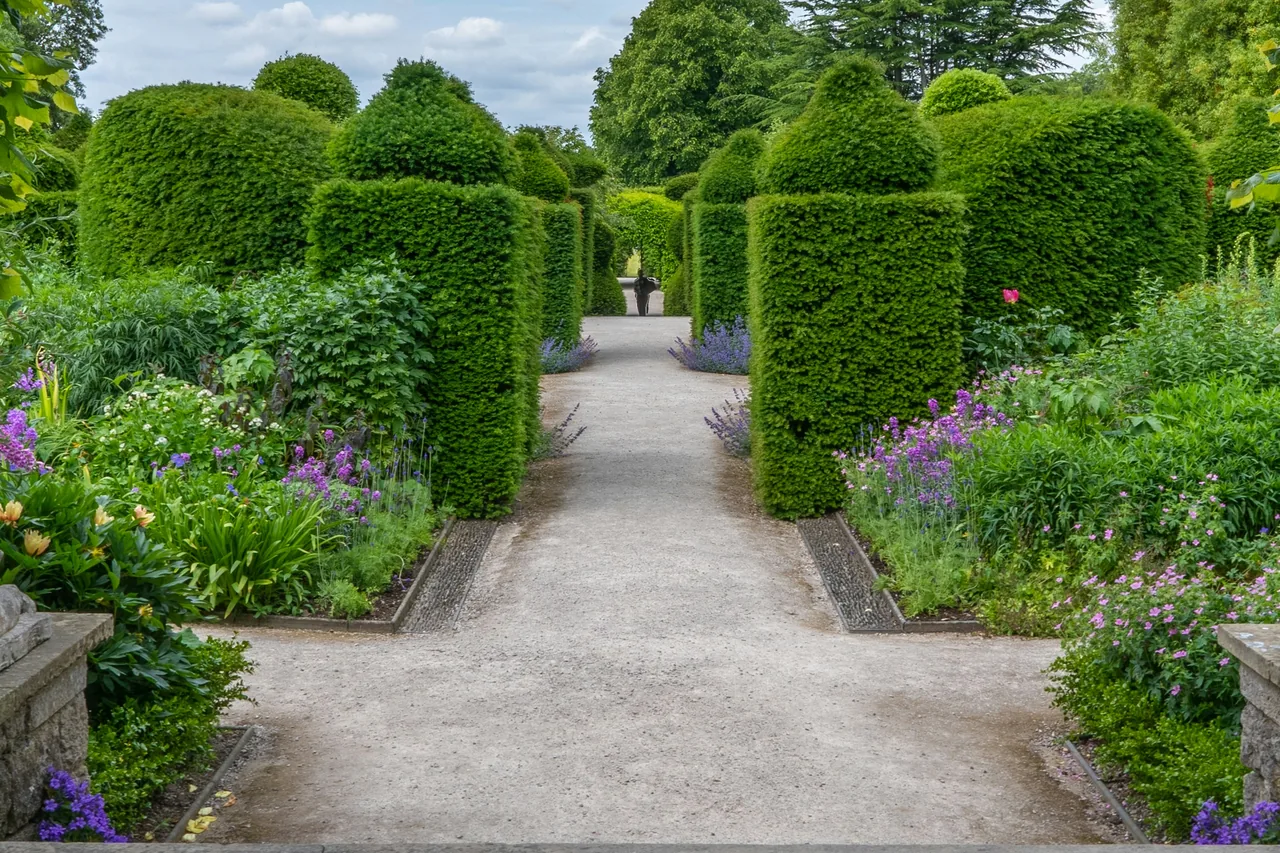
A landscaping project video should help a prospective client understand how a space works, what guided its design and what they are actually seeing. A wide reveal can introduce the garden. Ground-level views, a clear explanation and carefully chosen details can make the design understandable.
For landscapers and design-build firms, the useful question is what the film needs to communicate today. Some projects need one visit. Others benefit from a later look at planting or a different seasonal use. Plan those visits around a specific story rather than automatically commissioning four seasons of footage.
Start with the way the garden will be used
Before choosing camera angles, write one sentence describing the client’s brief. Perhaps they wanted a place to eat outside near the kitchen, a welcoming approach to the house or a quieter seating area away from the main terrace. These are illustrative examples, not NC Productions project claims.
Ask the designer to explain the choices that serve that brief. Why does the path turn here? What can someone see from the bench? How does the dining area connect to the house? Use the answers to select footage. A close-up earns its place when it helps explain a decision, rather than simply adding another attractive surface.
Film the route and the view from the seat
Plan a short visual journey through the completed space. Begin where someone arrives, follow the main route and finish at the area where they spend time. Include an orientation shot before moving into details so viewers can understand how the parts connect.
An overhead view may help explain the layout, if that capture is appropriate and separately cleared. Also show the garden from ordinary viewing positions: the doorway, the path and the seating area. A view from above cannot show every experience of being in the space.
- Arrival: show the approach and what draws the eye first.
- Movement: show connections between spaces without suggesting a shortcut is the intended route.
- Use: show the view towards a table, bench or gathering area, with willing participants only where agreed.
- Detail: connect a material, planting choice or built feature to the designer’s explanation.
Separate installation completion from plant maturity
Agree what “finished” means in the film. A completed installation can be documented as it stands without presenting new planting as an established garden. Ask the project team to confirm which work is complete and which visible elements are still planned.
Use precise descriptions such as “installation filmed in October 2026” when that is the actual capture date. Describe future planting effects as design intentions, not visible results. A designer can explain the intended screening or relationship between plants while the footage shows their current condition.
Do not assign a universal date when planting will look mature. Ask the responsible landscape professional what is reasonable for this particular project. The video brief records their explanation; it does not replace planting, maintenance or construction advice.
Book a seasonal return only when it answers something
A second visit should have a purpose that the first cannot satisfy. It might show a specified planting feature in flower or the same view with a different seasonal character. Write down the missing shot and the question it answers before adding another filming day.
Royal Botanical Gardens describes its bloom calendar as a rough seasonal estimate and provides updates on what is currently flowering. Its What’s in Bloom guide is useful context for treating a seasonal window as provisional. It is not a schedule for a client’s garden or a guarantee of local conditions.
For a proposed return, agree who checks the site, who confirms access and what happens if the intended feature is not ready. If the first visit already communicates the design and intended use, finish that version rather than delaying it for footage with no clear editorial purpose.
Keep dates and footage honest in the edit
Keep capture dates and locations with the footage. Where the edit compares seasons or visits, add clear labels so the audience can follow the change. For example, “at installation” and “return visit” can work when paired with the actual month and year.
Do not cut stock garden footage or another property into the sequence as though it documents this project. Footage from a different season should not appear to be part of the same day. If an illustration is genuinely needed, identify it clearly and keep it separate from the project evidence.
Check spoken descriptions against what is visible. “Designed to create privacy” describes an intention. “Creates a private seating area” needs support in the finished space. Keep the wording specific to what the team can demonstrate.
Give the production team a focused brief
Provide the client brief, three design decisions, the intended viewing route and the features that need explanation. Confirm permission to film the property and any people, along with areas or identifying details that should stay out of frame.
Agree the initial film’s scope and list any seasonal return separately. Name the person who will review project descriptions, dates and credits before release. That keeps a design story from becoming an open-ended record of every site visit.
If your priority is documenting work as it happens, the construction progress video schedule covers that different assignment. For a broader client problem, project approach and supported outcome, use the construction case study video guide.
Frequently asked questions
Does every landscaping video need four seasons of footage?
No. Commission additional visits only when they show something important that the first film cannot. A focused film of the completed installation may be enough to explain the design.
Can we release a video before planting has matured?
Yes, provided the film accurately shows the installation’s current condition. Date the footage where relevant and distinguish intended planting effects from results already visible.
Should the film include the homeowner?
Only if they want to participate and their contribution serves the story. A designer’s explanation and carefully planned views can communicate the brief without an on-camera homeowner interview.