Budgets & pricing · Guide
Drone Video for Construction Projects: Costs, Permits and Use Cases
A Vancouver construction drone video guide covering planning, airspace, safety, progress documentation, stakeholder updates, and marketing uses.
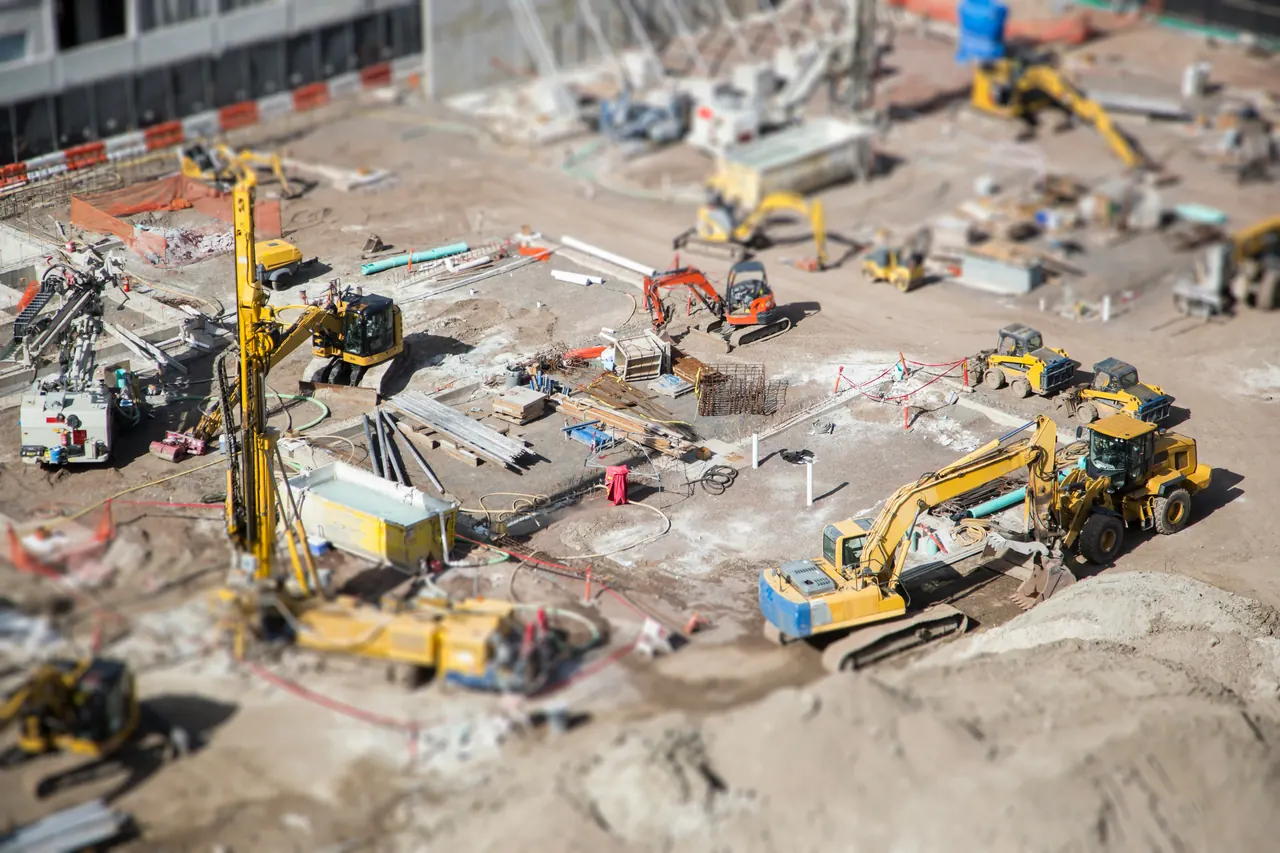
Drone video can show the scale, access, surroundings, and progress of a construction project in a way ground cameras cannot.
Good aerial coverage still requires a clear purpose. The flight plan should serve the project story, site rules, and intended audience.
Where drone footage adds value
Aerial footage is especially useful for large sites, exterior progress, access routes, surrounding infrastructure, and completed developments.
- Monthly progress documentation
- Investor and stakeholder updates
- Project proposals and case studies
- Final marketing and recruitment films
Permits, airspace, and safety
The ability to fly depends on the address, nearby airports, temporary restrictions, weather, people on site, and the operation being planned. Share the exact location before the shoot so requirements can be reviewed.
- Confirm site permission
- Coordinate with the safety lead
- Keep takeoff and landing areas clear
- Plan a ground-coverage alternative for poor weather
What shapes the cost?
Cost depends on flight complexity, frequency of visits, travel, required ground coverage, editing, and deliverables. A short aerial update is simpler than a recurring program with matched monthly angles and a final film.
Consistency matters for progress
Repeatable routes, heights, directions, and key views make progress easy to understand. A documented shot plan helps footage from different months cut together smoothly.
Combine air and ground coverage
Drone footage establishes scale. Ground footage reveals people, materials, details, and craftsmanship. The strongest construction films use both rather than relying on long aerial passes alone.
Frequently asked questions
Can a drone fly at every Vancouver construction site?
No. Airspace, location, weather, site activity, and authorization requirements must be reviewed for each operation.
Can monthly flights use the same angles?
Yes. A repeatable shot plan makes progress comparisons clearer.
What happens if the weather is poor?
The team may adjust timing, reschedule aerial work, or complete useful ground coverage when conditions allow.