Events · Guide
Conference Video Production Checklist
Plan conference video coverage for keynotes, panels, sponsor content, attendee interviews, highlight films, audio, screens, and fast delivery.
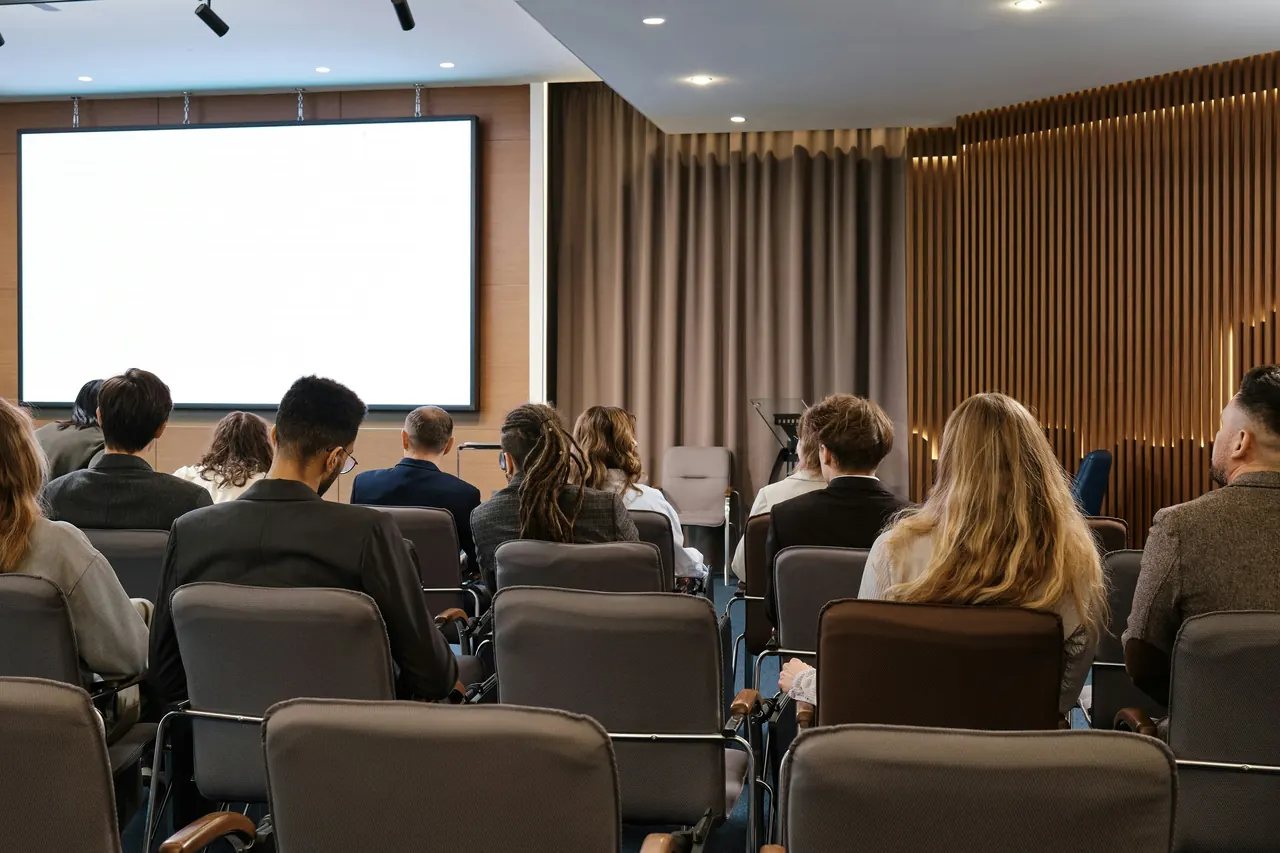
Conference video can serve the audience in the room, people watching later, sponsors, speakers, and next year's marketing campaign.
Those uses need different shots and technical plans, so the deliverables should be chosen before the doors open.
List every final deliverable
Separate full session recordings, a main recap, speaker clips, sponsor edits, attendee interviews, social posts, and internal archives. Each deliverable changes coverage.
Map rooms and simultaneous sessions
Provide room capacities, schedules, camera positions, presentation formats, lighting conditions, and walking time. Flag sessions that overlap so the crew can be assigned correctly.
Coordinate audio and presentations
Connect the video team with the venue or audio provider before the event. Confirm microphone types, audience questions, playback, walk-on music, remote speakers, and slide feeds.
- Main audio feed and backups
- Presentation or screen capture
- Speaker names and titles
- Venue internet and power
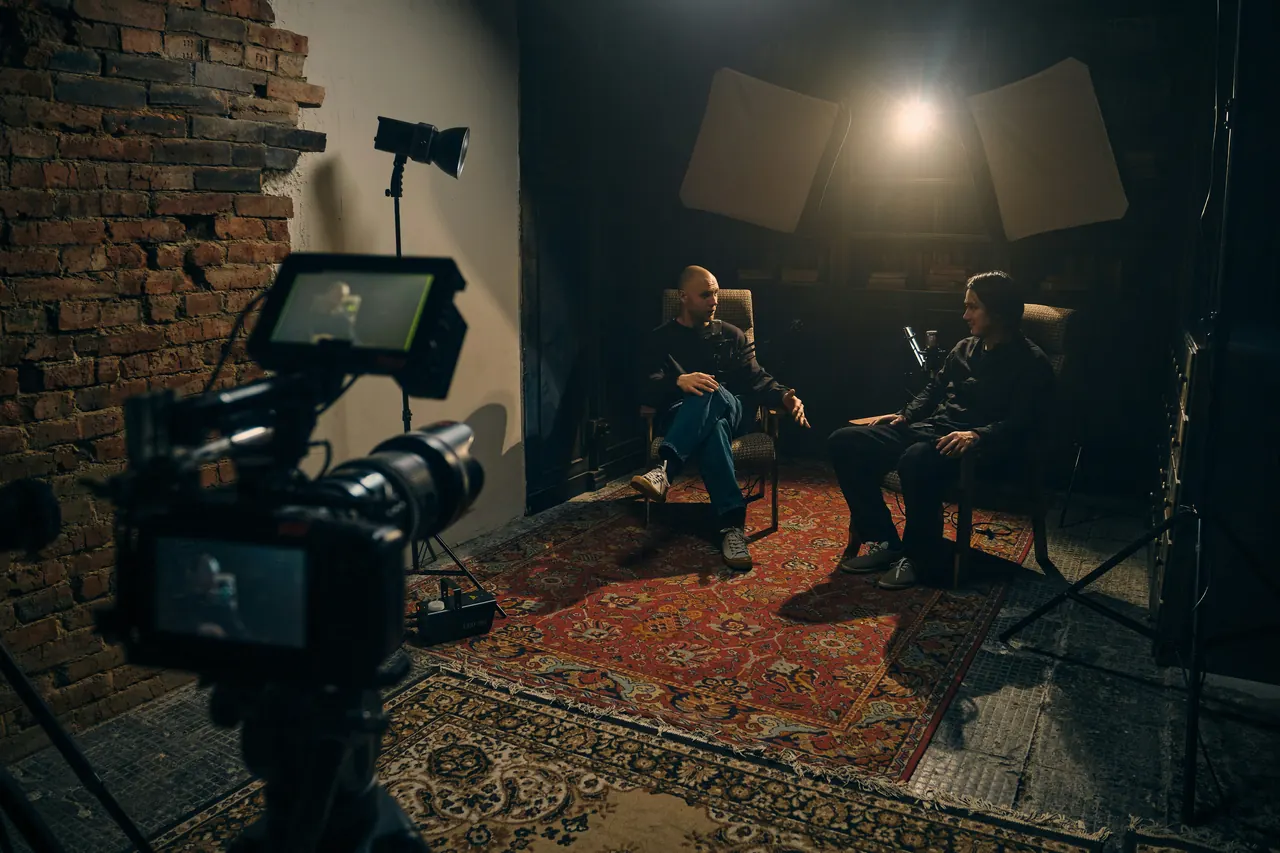
Plan interviews around the schedule
Choose a quiet location and short windows for speakers, attendees, organizers, and sponsors. Assign someone to find each guest so the film crew can keep working.
Set the delivery workflow
Agree on file names, branding, captions, review contacts, deadlines, storage, and publishing order. Fast content needs faster decisions as well as faster editing.
Frequently asked questions
How many cameras does a conference need?
It depends on room size, presentation style, audience coverage, simultaneous sessions, and whether complete edits are required.
Can slides be included in the final video?
Yes. Arrange a direct presentation feed or collect approved files, and confirm speaker permission and content rights.
Should attendee interviews happen on the event floor?
The floor can look energetic but sound noisy. A nearby controlled area usually produces clearer interviews.